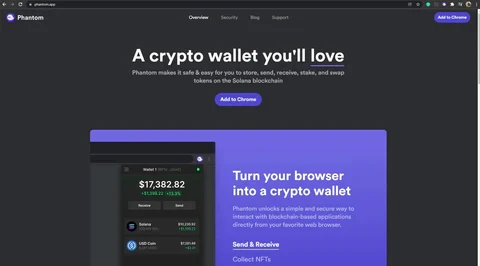
Phantom Wallet: A Fresh 1200-Word Overview (No Links)
Phantom Wallet has emerged as one of the most recognizable interfaces for exploring blockchain technology, offering a smooth and approachable experience for individuals interested in decentralized applications, digital collectibles, and modern digital identity tools. While many people associate wallets with financial activity, Phantom’s role extends far beyond that. It serves as a gateway to a growing landscape of blockchain-based creativity, utilities, and community-driven platforms. This overview explores Phantom from a technology and design perspective, making it easy to understand the wallet’s significance even without engaging in any transactions.
A Modern Approach to Digital Wallets
At its core, Phantom is designed to simplify how users interact with decentralized networks. Older blockchain interfaces tended to feel overly complex, filled with technical jargon that made the technology seem inaccessible. Phantom breaks away from that pattern by providing an interface that feels clean, polished, and organized.
Its layout focuses on clarity. Visual elements are arranged so that important information is easy to find, while advanced tools remain accessible without making the interface confusing. This intentional design approach makes Phantom welcoming to beginners while still offering capabilities valued by experienced users. It reflects the broader shift in blockchain technology toward usability and mainstream appeal.
A Unified Interface for Digital Identity
Phantom acts as a secure identity layer when interacting with decentralized apps. In traditional online platforms, accounts are created and managed by the service provider. Blockchain flips this structure—users control their own identity, and apps connect to them rather than storing their account information. Phantom enables that model by functioning like a digital keychain that can authenticate a user across different apps, games, marketplaces, and creative tools.
Instead of repeatedly signing up for new accounts, individuals can connect their wallet to various applications and use their established digital identity. This approach encourages interoperability across platforms and empowers users to move freely between digital experiences while maintaining full ownership and control of their credentials.
Security Philosophy and Core Protections
Security is one of Phantom’s foundational pillars. The wallet is engineered to keep sensitive information protected at all times, and its interface reinforces responsible digital habits. Rather than emphasizing complex technical terms, Phantom promotes key ideas that are important in decentralized technologies:
Ownership Awareness
Phantom is built around the principle that users—not companies—control their keys and information. The software safeguards sensitive materials and never exposes them unless the user explicitly decides to do so.
Local Protection
Information within the wallet remains stored on the user’s device with layers of encryption. This ensures that access is tied to the device owner, enhancing personal control over digital credentials.
Clear Permissions
When connecting to decentralized apps, Phantom displays permission requests clearly, allowing users to make informed decisions about what they approve. This transparency helps maintain trust and reduces confusion about how apps interact with the wallet.
Activity Monitoring
Phantom’s activity feed allows users to stay aware of any recent interactions associated with their wallet. This supports better digital awareness and gives individuals confidence in understanding how their identity and data are being used.
Together, these principles reflect a strong commitment to promoting safe, responsible participation in decentralized ecosystems.
Multi-Network Compatibility and Ecosystem Flexibility
One of Phantom’s defining developments was its expansion into supporting multiple blockchain networks. Each blockchain ecosystem offers different performance benefits, community-driven projects, and application styles. Supporting more than one network allows Phantom to unify those ecosystems under a single interface, eliminating the need for multiple wallet apps.
This multi-network design enhances Phantom’s versatility. Users can explore various decentralized environments, interact with diverse apps, view digital collectibles stored on different chains, and maintain a unified identity across ecosystems. The result is a smoother experience with less fragmentation and more flexibility.
A Visual Home for Digital Collectibles
Phantom places strong emphasis on digital collectibles—items often used to represent artwork, membership, in-game objects, or creative tokens. Instead of displaying them as plain text or raw data, Phantom organizes them visually, almost like a personal gallery.
Collectors, artists, and community project enthusiasts appreciate this approach because it allows digital items to be showcased in an appealing way. The wallet automatically organizes collectibles and displays their artwork or graphics within the interface, making them easy to browse and enjoy.
This design decision plays an important role in making the digital collectible space feel more accessible and expressive. Phantom treats collectibles not merely as data but as creative artifacts that users can view, admire, and organize.
Interaction With Decentralized Applications
Phantom acts as a bridge between users and decentralized applications—commonly known as dApps. These apps cover a wide range of categories, such as creativity platforms, social experiences, gaming environments, community hubs, and digital utility tools.
When a user opens a decentralized application in their browser, Phantom can act as a secure connector, enabling the app to verify identity or request certain permissions. The wallet presents these requests clearly so users understand what the app is asking for.
This structured connection process ensures that individuals remain in control of their interactions. It's part of what makes Phantom recognizable as a reliable interface: even when users explore multiple apps, they maintain consistent oversight of how their identity is being used.
Activity Tracking and Organization
The activity section of Phantom Wallet displays a chronological record of recent interactions involving the wallet. Rather than showing complicated blockchain data, Phantom transforms these details into a readable timeline. This might include interactions with decentralized apps, updates to collectibles, or adjustments to wallet settings.
This feature helps users remain organized and aware. Activity logs create transparency, allowing individuals to revisit actions, track digital interactions, and maintain a historical overview of their activity. It also reinforces healthy digital habits by making it easy to stay informed about how the wallet is being used.
Customizable Settings and Personalization Tools
Phantom includes several customization options that allow users to tailor the interface to their preferences. These settings can adjust visual appearance, notifications, asset organization, and other display preferences. Customization helps ensure the environment feels comfortable and intuitive.
Wallet management tools allow individuals to switch between accounts, rename them, adjust app connections, and organize digital assets in the manner that feels most natural to them. These personalization features enhance user experience and accommodate different comfort levels.
Accessibility Across Multiple Devices
Phantom is available as both a browser extension and a mobile application. This dual-format approach ensures flexibility: users can access their decentralized tools at home or on the go. The design of both versions remains consistent, providing a smooth transition between devices.
Synchronization across devices emphasizes Phantom’s goal of creating a unified digital identity experience. People can interact with apps, view collectibles, or manage settings regardless of which device they are currently using.
Educational Values and user-friendly Design
Phantom incorporates small explanations and cues that help users understand the decentralized world without overwhelming them. Whether it’s explaining why certain permissions are needed or illustrating how different parts of the wallet function, these educational elements support users who may be new to blockchain technology.
The focus on readability and organized design reduces the learning curve. Phantom positions itself as not just a tool but also a guide, offering clarity in an otherwise complex technological space.
Why Phantom Plays a Significant Role
Phantom stands out due to several defining characteristics:
A focus on simplicity and ease of use
Strong emphasis on personal control and privacy
A visual and organized approach to digital collectibles
Compatibility across multiple blockchain networks
Clear permission management
A consistent experience across devices
These qualities contribute to Phantom’s widespread presence in decentralized communities and creative ecosystems.
Conclusion
Phantom Wallet represents a modern interpretation of what a digital wallet can be. Instead of focusing solely on holding assets, it serves as a gateway to decentralized applications, digital creativity, identity tools, and community-driven technology. Its interface is smooth and welcoming, its security principles emphasize personal ownership, and its collectible viewer brings life to digital items.
Overall, Phantom demonstrates how blockchain tools can evolve to become intuitive, visually appealing, and user-centered. It stands as an example of how decentralized technology can be made more accessible for people exploring this space.